Tanari at Bitcoin Amsterdam: Keeping Your Keys While Scaling Bitcoin
Insights from the “Keeping Your Keys” session, and Tanari’s vision for a simpler Bitcoin future
This year’s BTC Amsterdam brought together builders who are shaping Bitcoin’s next chapter. During the session “Keeping Your Keys: Scaling Bitcoin in Layers Without Losing Self-Custody,” the conversation centered around one of the biggest challenges in the ecosystem:
How do we help Bitcoin reach billions of people without losing self-custody along the way?
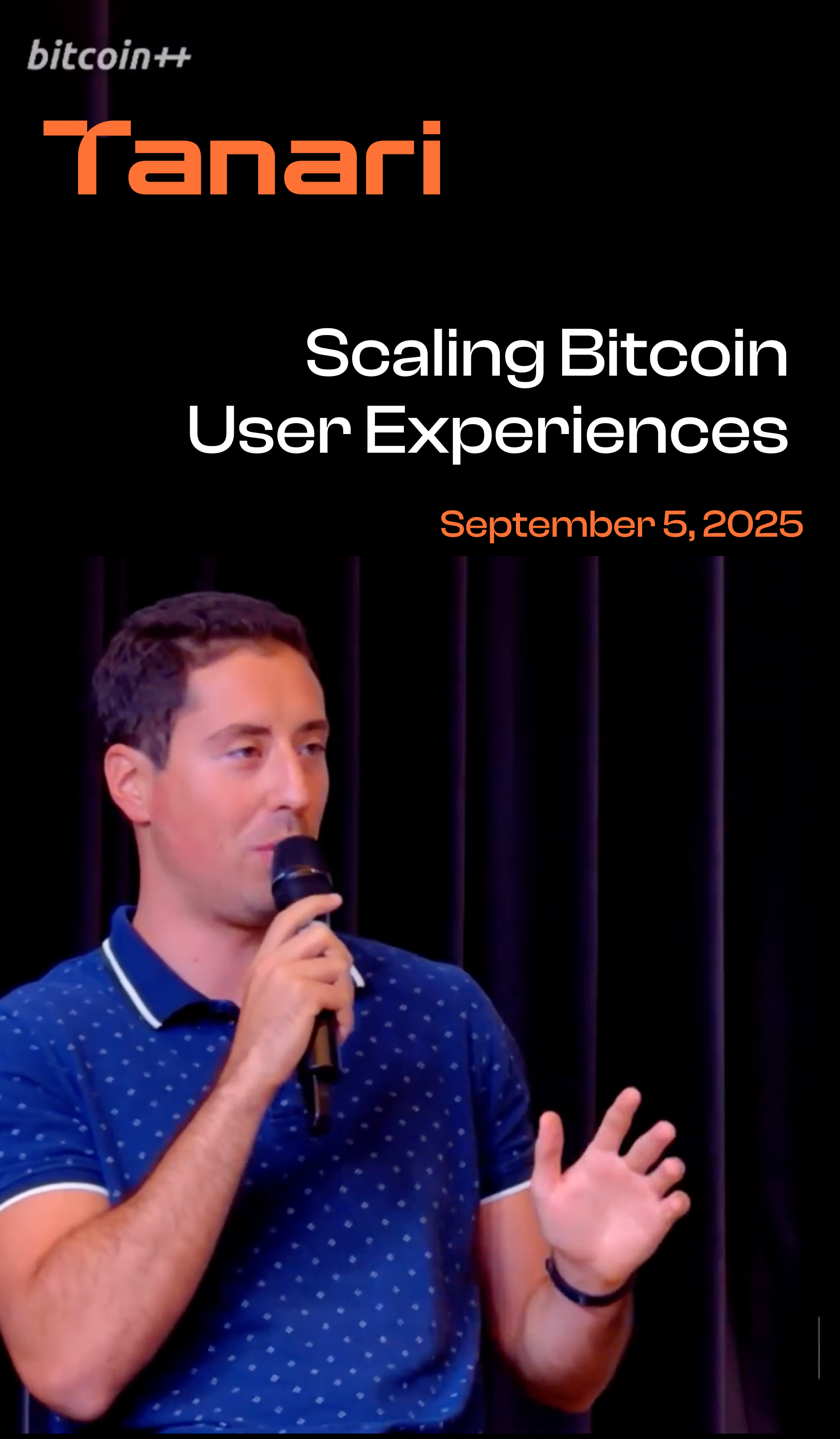
Alongside Dan Held from Asymmetric, Marco Argentieri, CEO of Ark Labs and Shinobi from Bitcoin Magazine, representing Tanari on stage was CEO Filip, who offered a practical and grounded perspective on what everyday people actually need in order to use Bitcoin confidently.

Self-Custody Needs Better UX to Reach the Masses
One of the points Filip emphasized is a truth many in the industry quietly recognize:
Most people don’t adopt self-custody because it’s simply too hard.
Beginners encounter:
- seed phrases that must be stored perfectly
- interfaces that feel foreign or overly technical
- the fear of making irreversible mistakes
When faced with this, the vast majority default to custodial exchanges, even if they don’t know or know it’s not the safest choice. Filip highlighted something very human:
People are naturally lazy when it comes to learning new, complicated behaviors, and that’s okay.
Bitcoin doesn’t scale by expecting people to become experts. Bitcoin scales when the tools adapt to them. This is why Tanari focuses on UX decisions that feel familiar from the start:
- usernames instead of long addresses
- passkeys instead of seed phrases
- guardian-based recovery instead of permanent loss
- an interface inspired by modern apps, not early crypto wallets
Ease of use shouldn’t be a bonus. It’s the bridge to mass adoption.
Bitcoin Will Scale Through Layers, Just Like Every Other Financial System
During the session, Filip highlighted how essential layers are for Bitcoin’s evolution. He explained that the traditional financial system already works in layers, settlement, clearing, payments, most of which operate in the background without users ever noticing. They just experience smooth payments.
Bitcoin is evolving along a similar path. The base layer (L1) is built for security and final settlement, not for the pace of everyday consumer payments. That’s where faster Bitcoin layers come in: For example, we can use:
- High-value or significant transactions → Bitcoin L1
- Small, everyday payments → faster Bitcoin layers
This is what allows Bitcoin principles to reach more people. Layers extend Bitcoin into day-to-day use without changing its foundation.
Bitcoin doesn’t lose sovereignty by using layers, it extends it to places the base layer was never meant to handle alone. -Filip

Why Bitcoin Payments Are Finally Possible
Filip also shared optimism about Bitcoin payments becoming a reality. For years, the technology wasn’t ready. Block space limitations, slow confirmations, and fragmented tooling made everyday transactions difficult or impractical. The idea of using Bitcoin “as money” felt more like a long-term aspiration than a near-term reality. But today, the landscape is different.
With solutions like Citrea, who thanks to their tech is bringing scalable, programmable infrastructure anchored to Bitcoin, the ecosystem finally has the rails needed for fast, practical payments.
With stronger technology and better user experience, Bitcoin can move from being seen solely as an investment to being used as everyday money.
Where Tanari Fits Into This Future
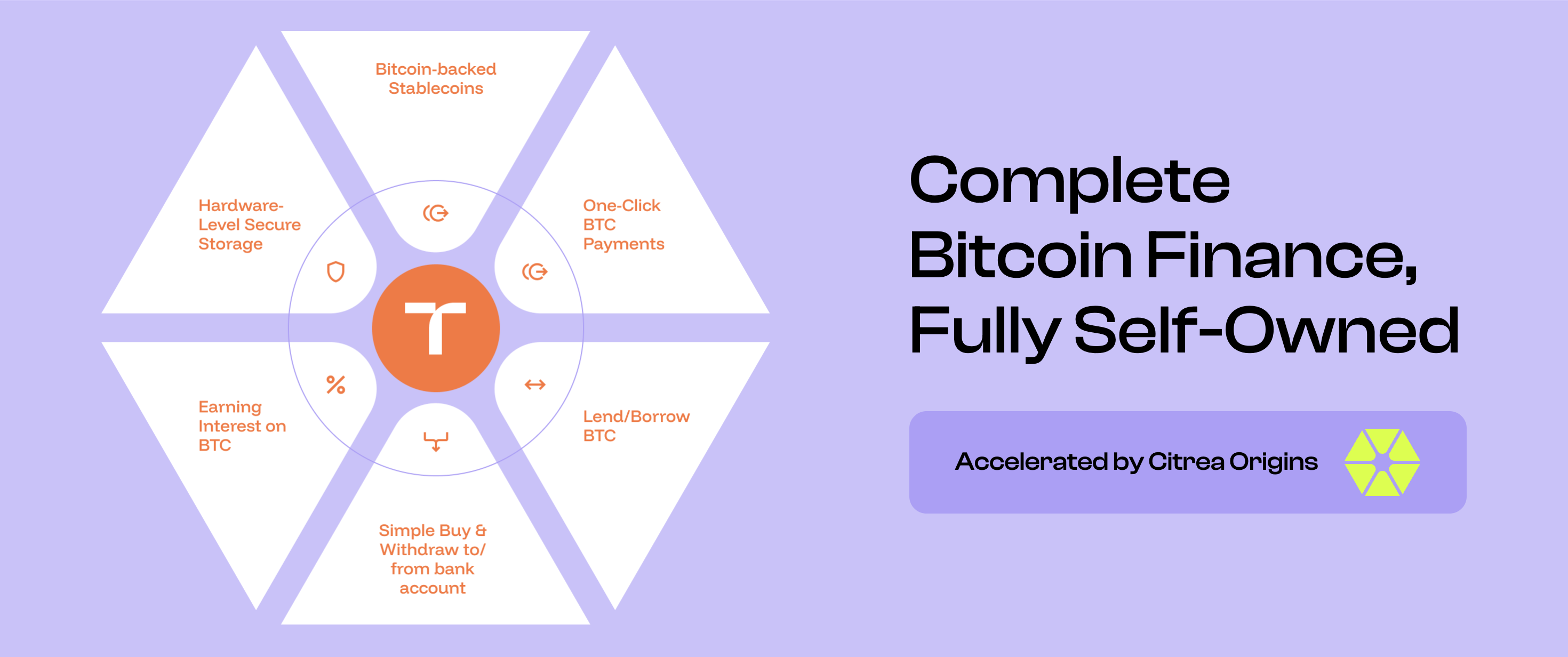
Everything discussed on stage aligns closely with Tanari’s mission and product philosophy. Tanari is built for people who want Bitcoin self-custody without the stress, confusion, or technical barriers that traditionally come with it.
The approach is simple:
- Self-owned by default
- Beginner-friendly from the first tap
- Powered by first Bitcoin ZK rollup, Citrea
- Designed around intuitive, familiar patterns
By removing seed phrases, simplifying onboarding, and enabling safe, human recovery, Tanari lowers the barrier to Bitcoin self-custody without compromising control.
Filip’s contributions on stage reflected this vision clearly:
- Bitcoin adoption grows when Bitcoin becomes easier.
- Layers make Bitcoin usable.
- Self-custody must be simple if it’s going to scale.
This is the future Tanari is building for, a world where millions (and eventually billions) can hold and use their own Bitcoin confidently.
Bitcoin Amsterdam was an incredible opportunity to meet the BTC community and exchange ideas! The energy was unmatched, and yes, a few attendees walked away fully “Tanari-pilled.”
Thank you to the BTC Amsterdam team for an amazing event!
See you next year.
.png)
